


| Category | Liver Resection |
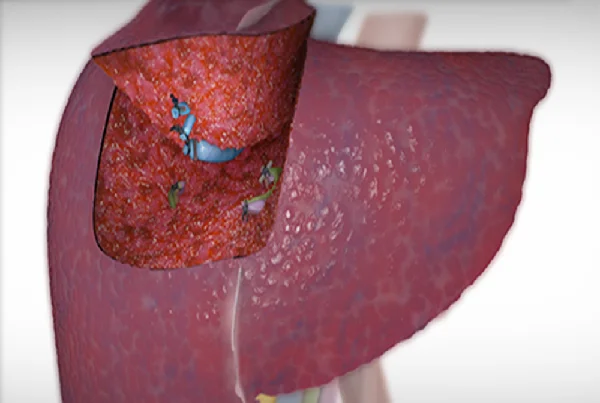
A liver resection, or hepatectomy, is a surgical procedure to remove part of your liver. Up to two-thirds of your liver can be removed as long as the rest of your liver is healthy. If you have liver disease, a smaller serving may be taken. Your liver can grow back. If the remaining liver is healthy, it will grow back to its previous size.
What are the different types of liver resections?
Liver resection can be divided into large and small liver resections. Removal of more than three segments is a major resection, while removal of small portions is a minor resection.
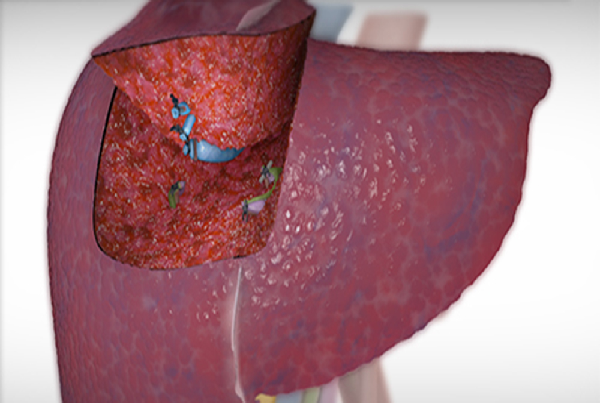
Examples of common operations are:
Large liver resection. A right or left hepatectomy or lobectomy removes either the right or left lobe.
Minor liver resection: In a segmental or wedge resection, a segment or part of a segment with a tumor that has a surrounding border is removed. Another minor liver resection is the left lateral dissection, in which the lateral part (section) of the left lobe of the liver is removed.
Multiple liver resections: Several tumors can be removed at the same time. If your surgeon thinks that some tumors might be better treated with ablation, he or she may combine resection with ablation.
Two-stage liver resection: If your surgeon suspects that removing all the tumors in one operation may be too dangerous, he or she may perform a two-stage resection. In the first operation, part of the tumor is removed. His liver then regenerates over several weeks, leaving him with enough liver after the second surgery to remove any remaining tumors.


