

Endoscopic Procedures in Gastroenterology: Advancements in Diagnosis and Treatment.
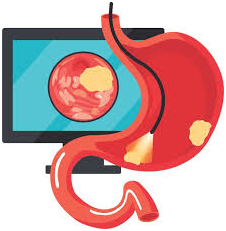
Endoscopic procedures have revolutionized the field of gastroenterology, allowing for minimally invasive and precise diagnosis and treatment of various gastrointestinal conditions. These procedures involve the use of specialized instruments and imaging technologies to visualize and access the gastrointestinal tract. In this article, we will explore the advancements in endoscopic procedures in gastroenterology, their applications in diagnosis and treatment, and the benefits they offer to patients.
Common Endoscopic Procedures:
1. Esophagogastroduodenoscopy (EGD):
EGD, also known as upper endoscopy, involves the insertion of a flexible tube with a light and camera (endoscope) through the mouth to visualize the esophagus, stomach, and the first part of the small intestine (duodenum). It is used to diagnose and treat conditions such as gastroesophageal reflux disease (GERD), ulcers, and early-stage gastrointestinal cancers.
2. Colonoscopy:
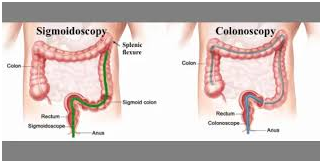
Colonoscopy is a procedure in which an endoscope is inserted through the rectum to examine the entire colon. It is primarily used for colorectal cancer screening, as well as for diagnosing and removing polyps or abnormal tissue. Colonoscopy is an effective tool for detecting and preventing colon cancer.
3. Endoscopic Retrograde Cholangiopancreatography (ERCP):
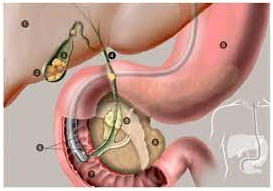
ERCP combines endoscopy with X-ray imaging to diagnose and treat conditions affecting the bile ducts and pancreatic ducts. It is used for removing gallstones, placing stents, or obtaining tissue samples. ERCP is valuable in managing conditions such as gallstone pancreatitis, bile duct strictures, and pancreatic disorders.
4. Endoscopic Ultrasound (EUS):
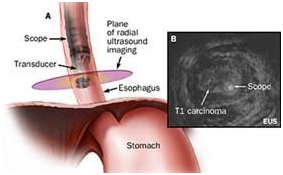
EUS combines endoscopy with ultrasound imaging to provide detailed images of the gastrointestinal tract and adjacent structures. It is used to evaluate and stage cancers, assess lymph nodes, and guide biopsies. EUS is particularly useful in diagnosing and treating pancreatic and rectal cancers.
5. Endoscopic Mucosal Resection (EMR) and Endoscopic Submucosal Dissection (ESD):
EMR and ESD are advanced techniques used to remove abnormal or precancerous lesions from the gastrointestinal tract. They involve the precise resection of abnormal tissue, allowing for both diagnostic and therapeutic purposes. EMR and ESD have revolutionized the management of early-stage gastrointestinal cancers, minimizing the need for invasive surgery.
Benefits of Endoscopic Procedures:
1. Minimally Invasive: Endoscopic procedures are minimally invasive, requiring small incisions or natural body openings. They offer a less traumatic alternative to traditional open surgery, leading to reduced pain, shorter recovery times, and fewer complications.
2. Precise Diagnosis: Endoscopic procedures provide direct visualization of the gastrointestinal tract, allowing for accurate diagnosis of various conditions, including cancers, ulcers, and inflammatory bowel disease.
3. Therapeutic Intervention: Endoscopic techniques not only aid in diagnosis but also enable therapeutic interventions. They can be used for removing polyps, dilating strictures, stopping bleeding, and delivering localized treatments such as laser therapy or photodynamic therapy.
4. Reduced Healthcare Costs: Endoscopic procedures often eliminate the need for more invasive surgical interventions, reducing hospital stays, overall healthcare costs, and associated risks.
5. Screening and Early Detection: Many endoscopic procedures, such as colonoscopy, play a crucial role in screening for cancers and detecting precancerous lesions. Early detection enables timely intervention, leading to improved outcomes and increased chances of cure.
Endoscopic procedures have revolutionized the field of gastroenterology, offering precise diagnosis and minimally invasive treatment options for various gastrointestinal conditions. These procedures, such as EGD, colonoscopy, ERCP, EUS, EMR, and ESD, provide numerous benefits to patients, including reduced pain, faster recovery, and improved outcomes. With ongoing advancements in technology and techniques, endoscopic procedures continue to play a vital role in improving patient care, optimizing outcomes, and enhancing the quality of life for individuals with gastrointestinal disorders. When it comes to your health, you want to be sure you're getting the best possible treatment.


