


Colon Cancer Awareness: Screening, Prevention, and Early
Colon cancer, also known as colorectal cancer, is a significant health concern worldwide. However, with increased awareness, regular screenings, and early detection, the prognosis and survival rates for colon cancer can be significantly improved. In this blog post, we will focus on raising awareness about colon cancer, discussing the importance of screening, prevention strategies, and early detection methods that can potentially save lives.
1. Understanding Colon Cancer:
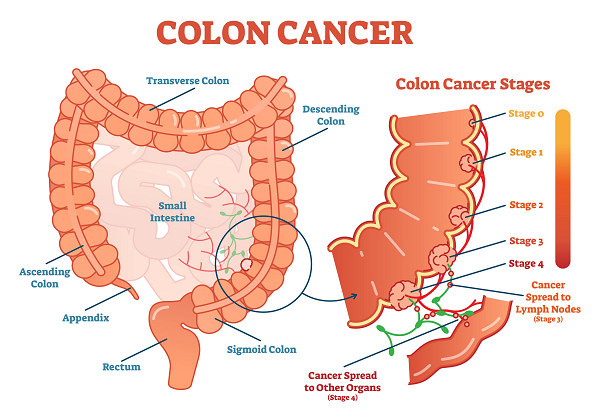
Provide an overview of colon cancer, including its definition, risk factors, and prevalence. Explain how colon cancer develops from precancerous polyps in the colon or rectum and progresses over time. Highlight the importance of understanding the potential signs and symptoms associated with colon cancer, such as changes in bowel habits, rectal bleeding, abdominal pain, and unexplained weight loss.

2. The Role of Screening in Colon Cancer Prevention:
Emphasize the significance of regular screenings in detecting colon cancer at an early stage or even before it develops. Discuss common screening methods such as colonoscopy, fecal occult blood tests (FOBT), and sigmoidoscopy. Explain the recommended age to start screening and the frequency of screenings based on individual risk factors.
3. Prevention Strategies for Colon Cancer:
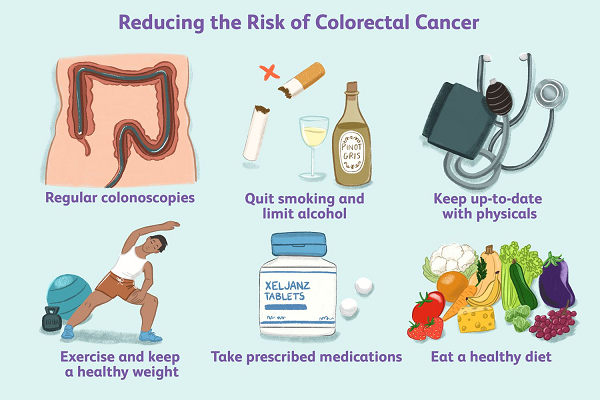
Discuss lifestyle modifications and preventive measures that can reduce the risk of developing colon cancer. Highlight the importance of a healthy diet rich in fruits, vegetables, and whole grains, and low in processed meats and saturated fats. Encourage regular exercise, maintaining a healthy weight, limiting alcohol consumption, and avoiding tobacco products.
4. Genetic Factors and High-Risk Groups:
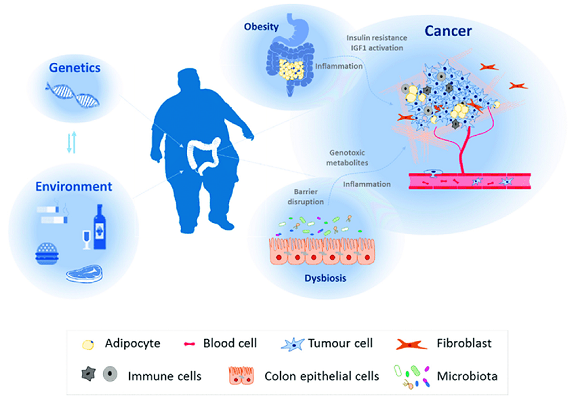
Address the impact of genetic factors on colon cancer risk, such as hereditary nonpolyposis colorectal cancer (HNPCC) or Lynch syndrome and familial adenomatous polyposis (FAP). Discuss the importance of genetic counseling and testing for individuals with a family history of colon cancer or genetic predisposition. Highlight the need for earlier and more frequent screenings for high-risk individuals.

5. Recognizing the Benefits of Early Detection:
Explain the potential benefits of early detection in improving colon cancer prognosis and survival rates. Share statistics and success stories that highlight the positive impact of early intervention and timely treatment. Encourage readers to prioritize their health by scheduling regular screenings and seeking medical attention if they experience any potential symptoms or risk factors.

6. Overcoming Barriers to Colon Cancer Screening:
Address common barriers and misconceptions associated with colon cancer screening, such as fear, discomfort, or lack of awareness. Provide reassurance regarding the safety and effectiveness of screening procedures and discuss options for sedation or anesthesia during colonoscopy to minimize discomfort.
Colon cancer is a significant health concern, but with increased awareness, screenings, and early detection, it is a disease that can be prevented, detected at an early stage, and successfully treated. By understanding the importance of screening, adopting preventive strategies, and recognizing the benefits of early detection, we can make significant progress in reducing the burden of colon cancer. Remember, consult with a healthcare professional for personalized advice regarding colon cancer screenings and individual risk factors.
At our clinic, we believe that every patient deserves the best possible care, and that's exactly what you'll receive with one of the top-rated doctors, Dr. Shashank Agarwal. With years of experience and a commitment to excellence, Dr. Shashank Agarwal has earned a reputation as one of the best in the city. We are confident that you will be impressed with their level of expertise and personalized approach to healthcare.


